Images That Stay Alive — Twenty Years Later
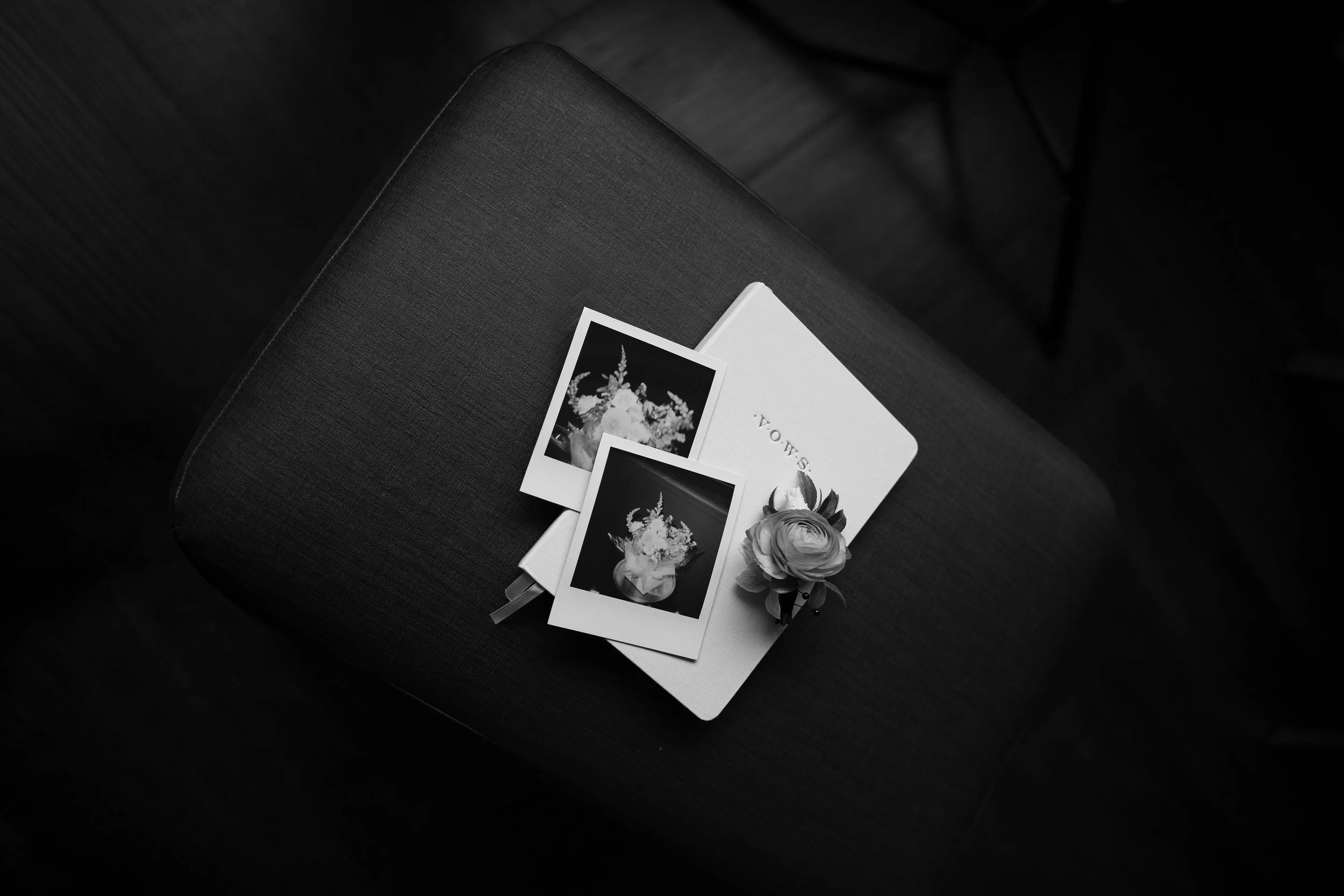
A good image isn't just one that looks great right now.
It's one that — after time has passed — still feels real. Still lands.
The problem with a lot of images is that they only belong to a particular moment in taste.
Think about what was everywhere a few years ago:
- Heavy orange and teal grading
- Extreme HDR
- Looks pushed so far they stop feeling real
- Slow motion for everything
- Emotions that felt staged
At the time, everyone thought: this is the highest level.
Five years later, it just looks like a product of that era.
Because what those images recorded wasn't "what this person actually lived through." It was "what people thought looked good back then."
So when I say "still true twenty years later" — I don't mean timeless in style.
I mean: it still has emotional honesty.
Why do old photographs move us?
Even blurry ones. Badly exposed ones. Ones with no compositional logic at all —
You still feel: this moment was real.
Because the core of an image with life in it isn't visual impact. It's the trace of a person having existed.
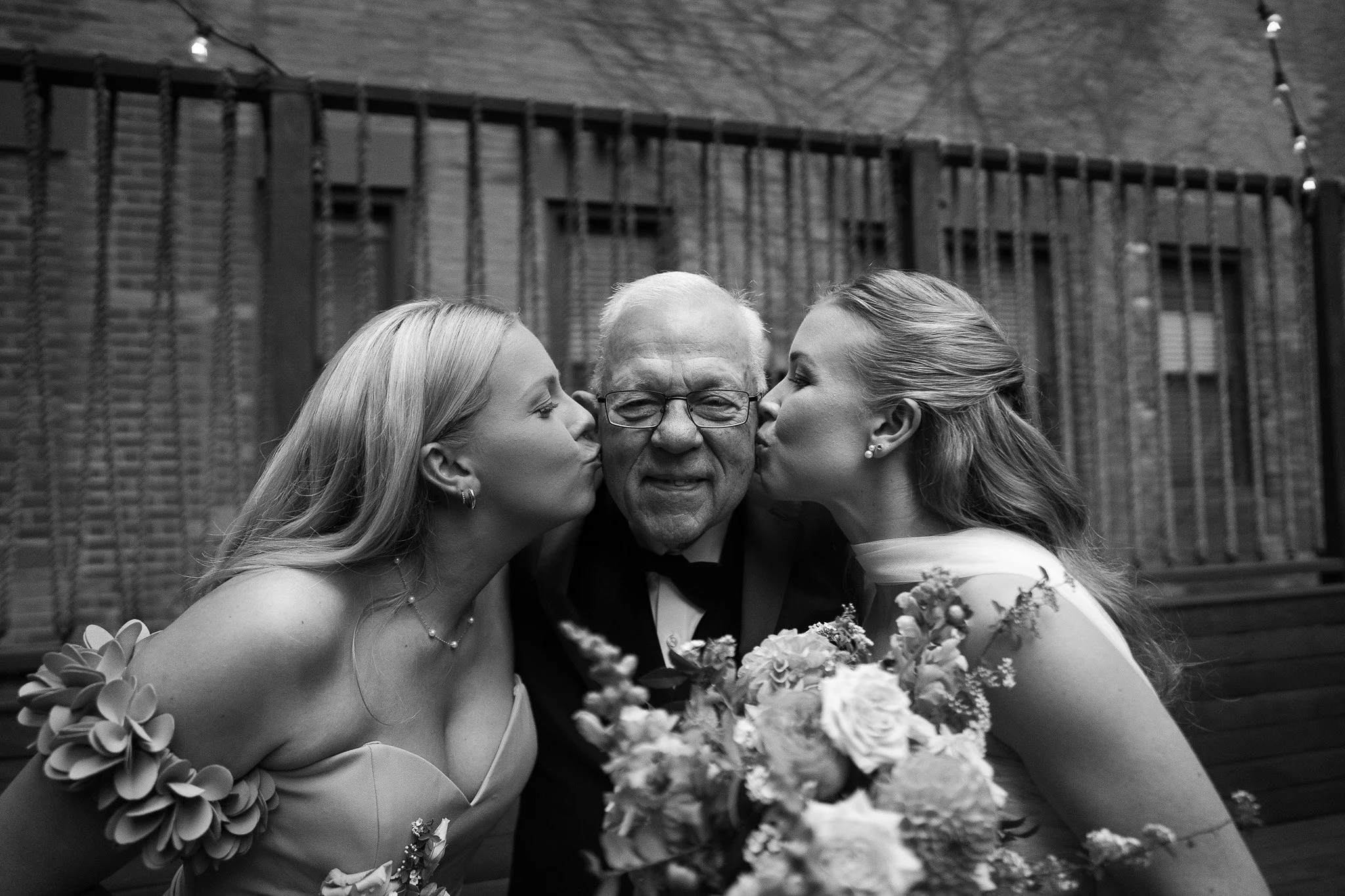
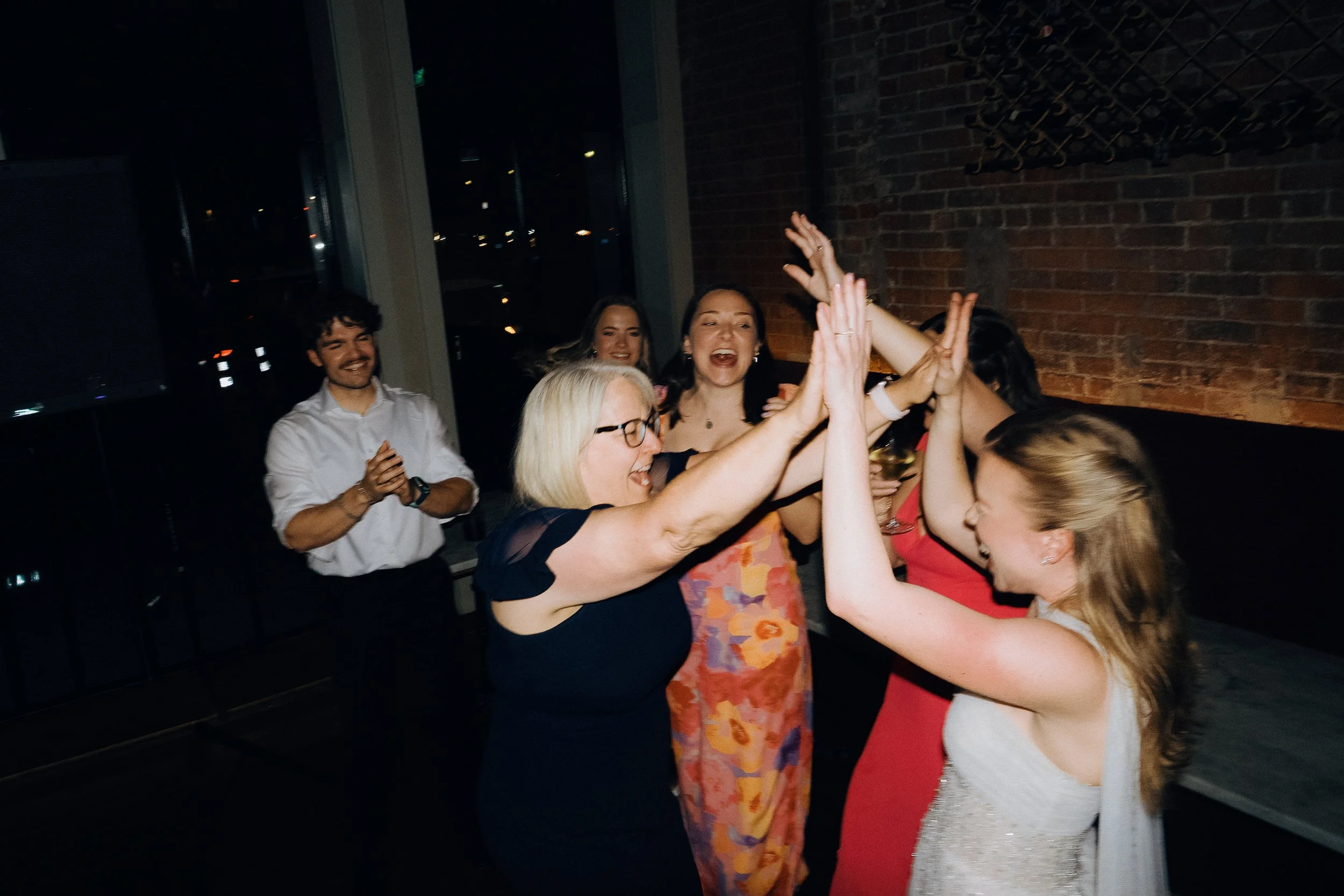
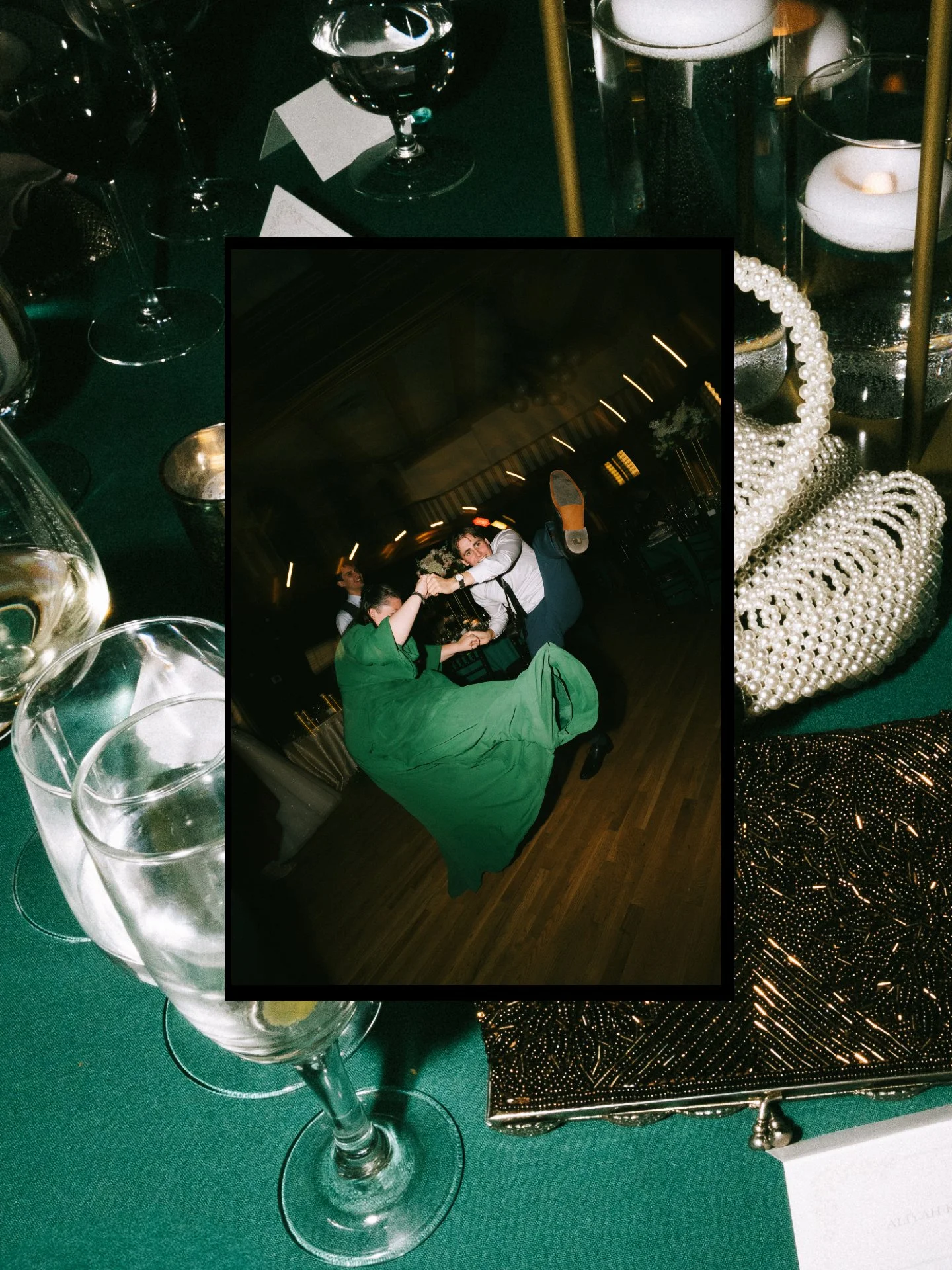
What does "life in an image" actually mean?
Hard to define precisely. But it tends to have a few qualities.
1. A sense of real time moving through it
Not "a perfect moment that was manufactured" — but something where you can feel what happened the second before, and what's about to happen next.
Take a photo of a bride laughing.
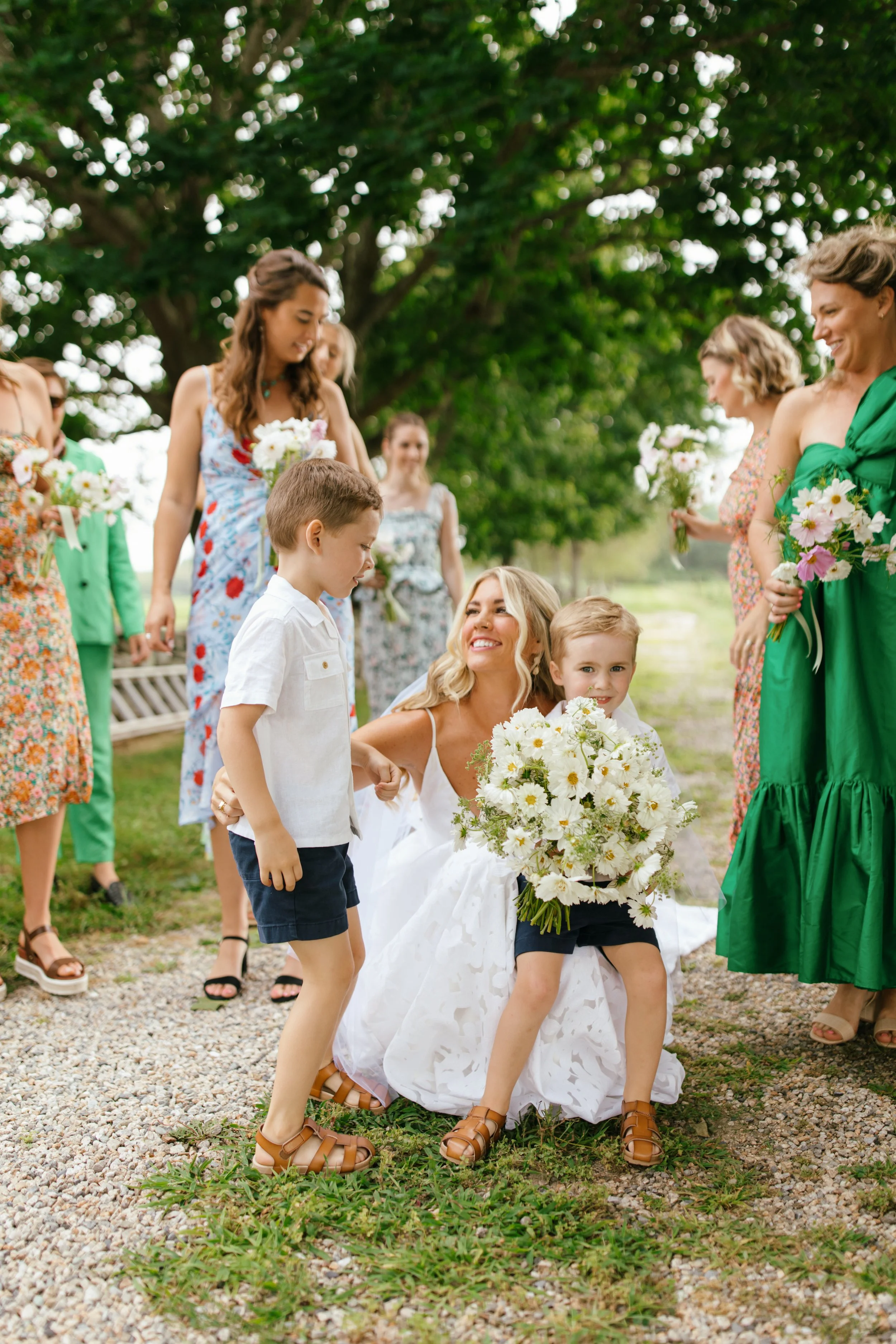
The version with life in it probably isn't her looking at the camera and smiling. It's her a half-second after she heard something — the laugh not quite finished yet.
You feel like the moment is still continuing.
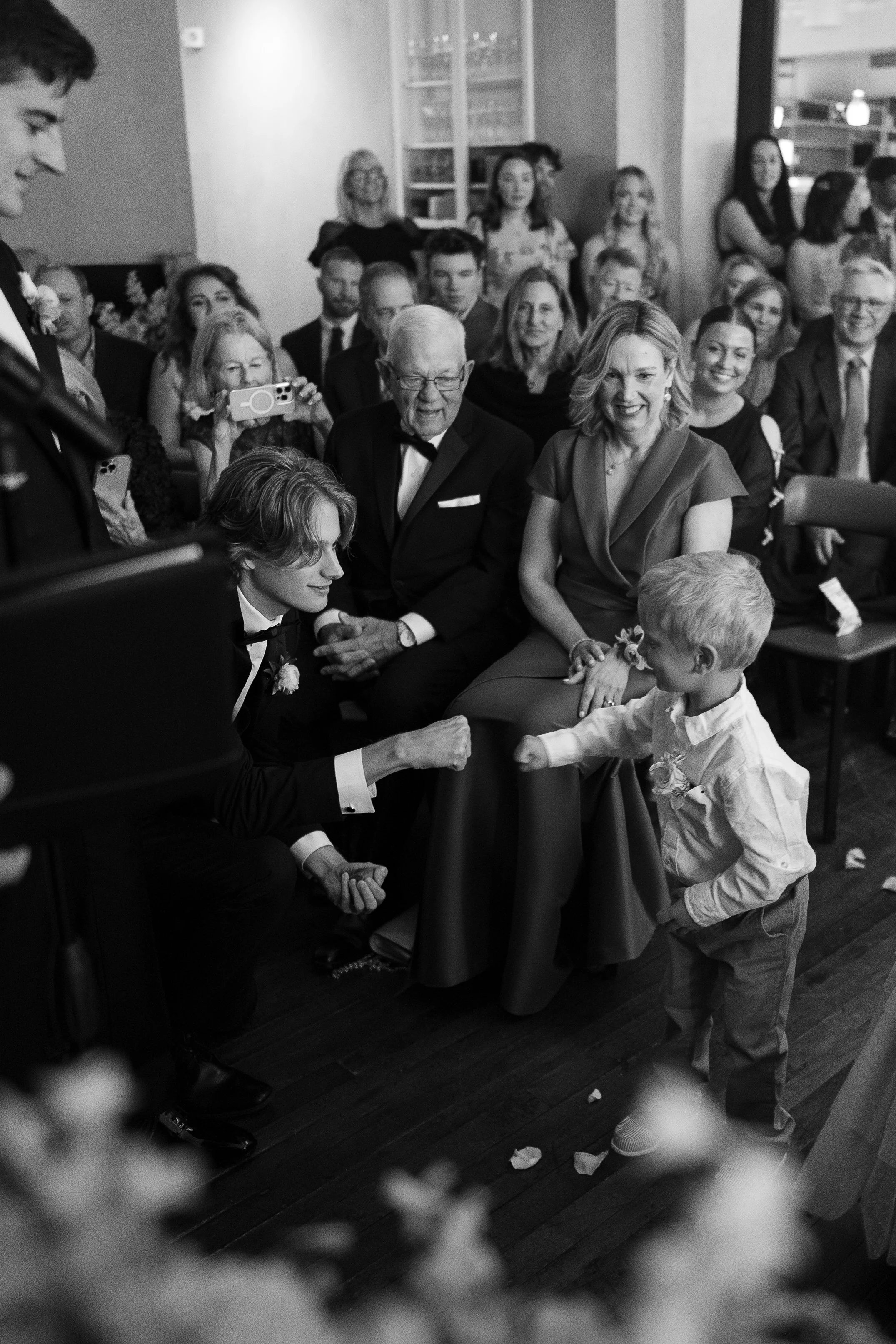
The best images aren't frozen. They have time moving inside them.
2. Human imperfection
Things that actually have life in them are rarely the most polished.
Because real life is: uneven, uncontrolled, full of accidents.
Things like:
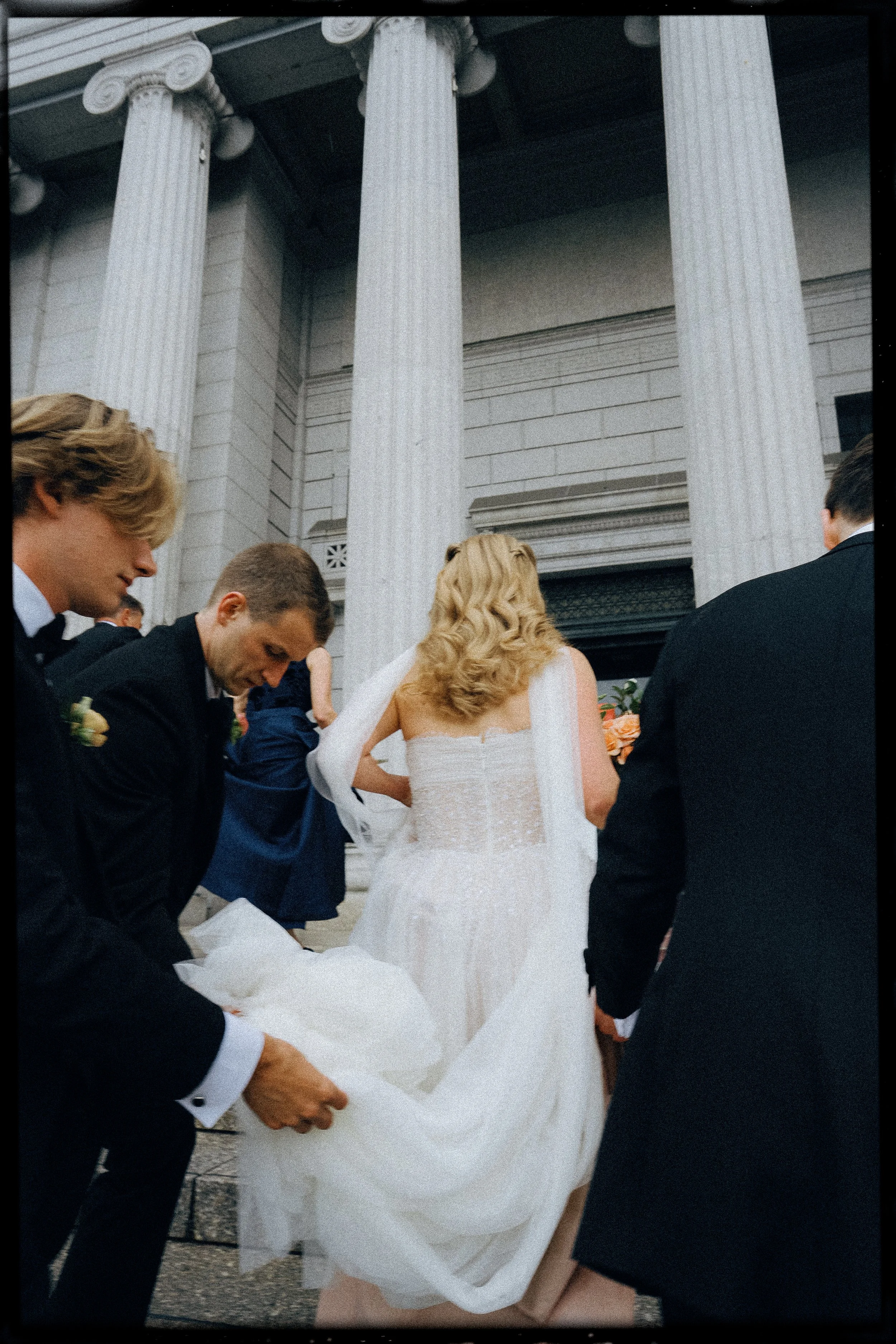
- Hair moved by the wind
- Someone half-blocking the frame
- An expression that wasn't fully managed
- Light that isn't perfectly clean
These make an image feel more like actual memory.
A lot of overly polished wedding photos feel lifeless for one reason: they look too much like ads. And people in ads don't really laugh — they perform laughing.
3. A real observer behind the frame
An image with life in it makes you feel like there's a real person standing behind it. Someone who was actually watching the world.
Not a camera recording. A person who genuinely felt something, noticed something, caught some small relationship in the air.
That's why a lot of great documentary photographers make images that aren't technically complex — but hit hard.
Because you can feel it: someone truly saw this moment.
4. More than information
A lot of photos carry only information — what the wedding looked like, what the dress looked like, what the venue looked like.
That's documentation. It matters. But it's not enough.
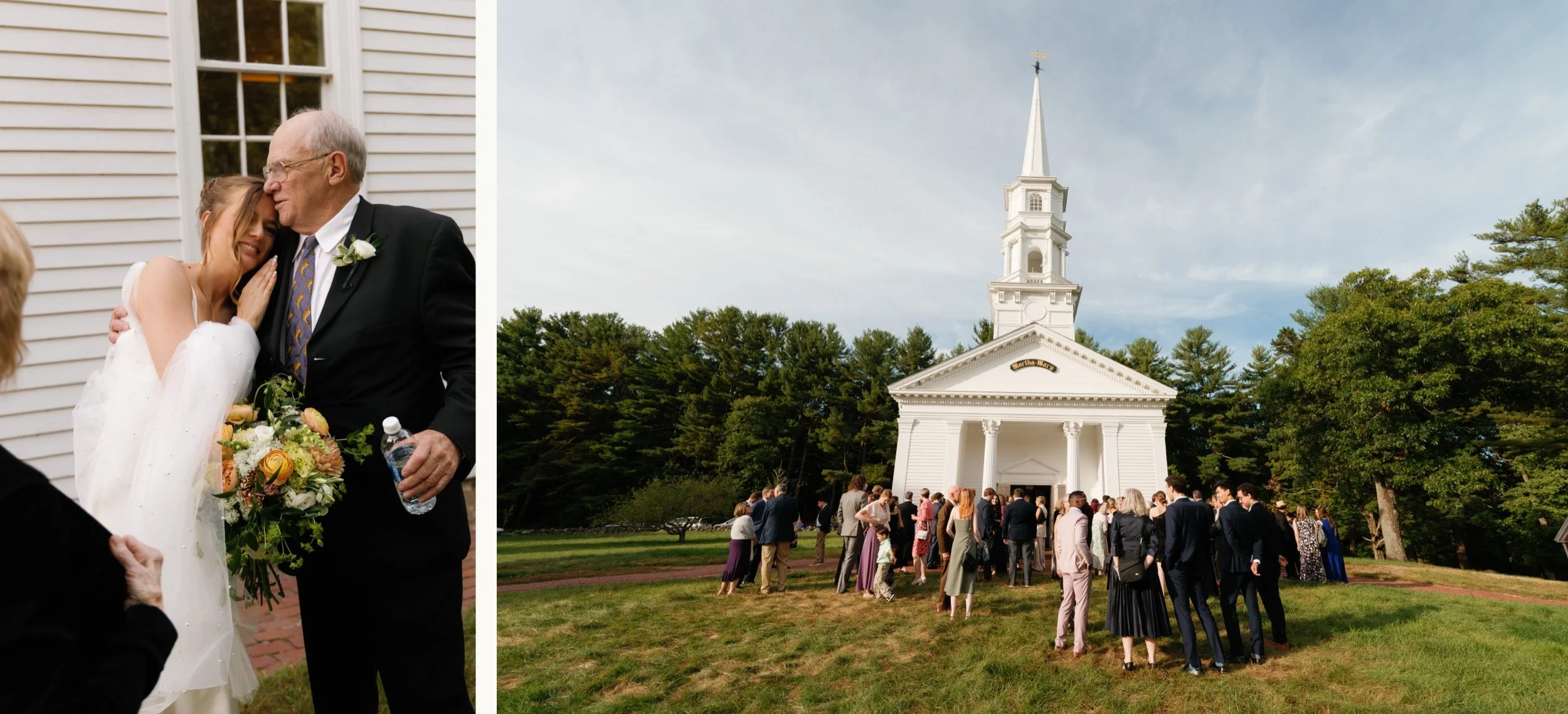
An image with life in it leaves something behind. Emotional residue.
After you look at it, a feeling stays in your body.
Something quiet. Something intimate. A sense of youth, or of time passing.
At that point, the photo is no longer just a photo. It's more like a small piece of preserved life.
Why does "still true twenty years later" matter?
Because time filters everything out.
Technical showmanship. Trending styles. Whatever was optimized for social media engagement.
What's usually left is: humanity.
The greatest work — when you look at it — often isn't technically the most impressive. What it has instead is: time, people, emotion, truth, presence.
A lot of work starts from wanting to look good, and manufactures a fake moment to get there.
But the work that holds up over time starts somewhere else: the moment itself had life in it, and the aesthetic was given meaning because of that.
There's a line I keep coming back to:
Aesthetic should serve the moment — not the moment serve the aesthetic.
It sounds simple. But it changes everything about how you approach a camera.
When aesthetic comes first, you're always looking for the right light, the right angle, the right expression — and without realizing it, you start shaping reality to fit the image you already have in your head. The people in front of you become material. The moment becomes a problem to solve.
When the moment comes first, you're doing something different. You're watching. You're waiting. You're trying to stay close enough to something real that when it happens — and it always happens, in its own time — you're there for it.
The images that come out of the second approach are rarely the most immediately impressive. They don't announce themselves. But they're the ones people come back to.
A lot of work starts from wanting to look good, and manufactures a fake moment to get there. But the work that holds up over time starts somewhere else: the moment itself had life in it, and the aesthetic was given meaning because of that.
That's the difference between a photograph that ages and one that doesn't.
This is what documentary wedding photography means to us at Summer St Films. Not a style. A way of paying attention. If you're looking for a Boston wedding or engagement photographer who approaches it this way — we'd love to talk.